Our Services

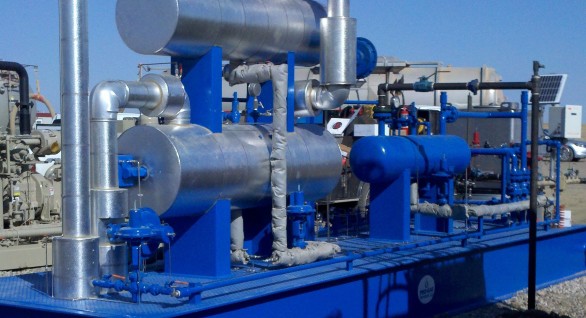
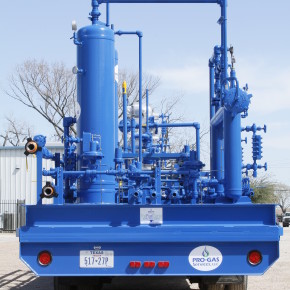
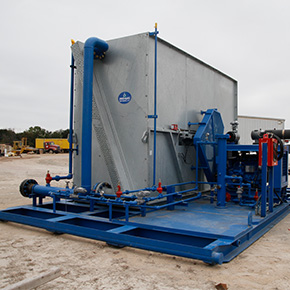
JT Skids & Fuel Gas Conditioning
Fuel Gas Conditioning Skid

When it comes to your current fuel gas conditioning, do…

READ MORE
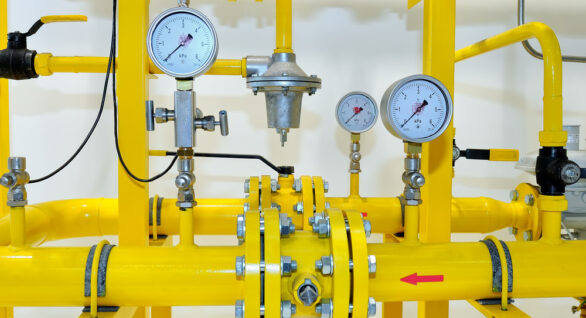
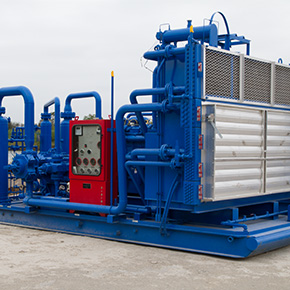
Dual Fuel/Bi-Fuel Gas Treatment
bi-fuel gas conditioner / Dual Fuel Gas Treatment

Bi-Fuel Gas Treatment with the Fuel Genie Our 50F JT…

READ MORE
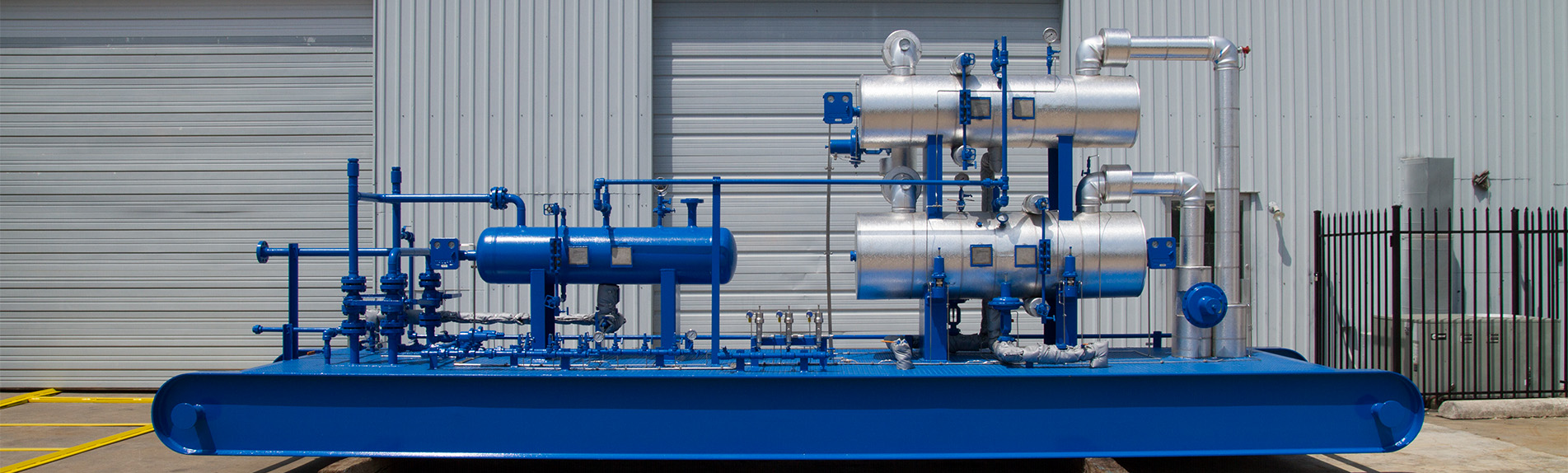
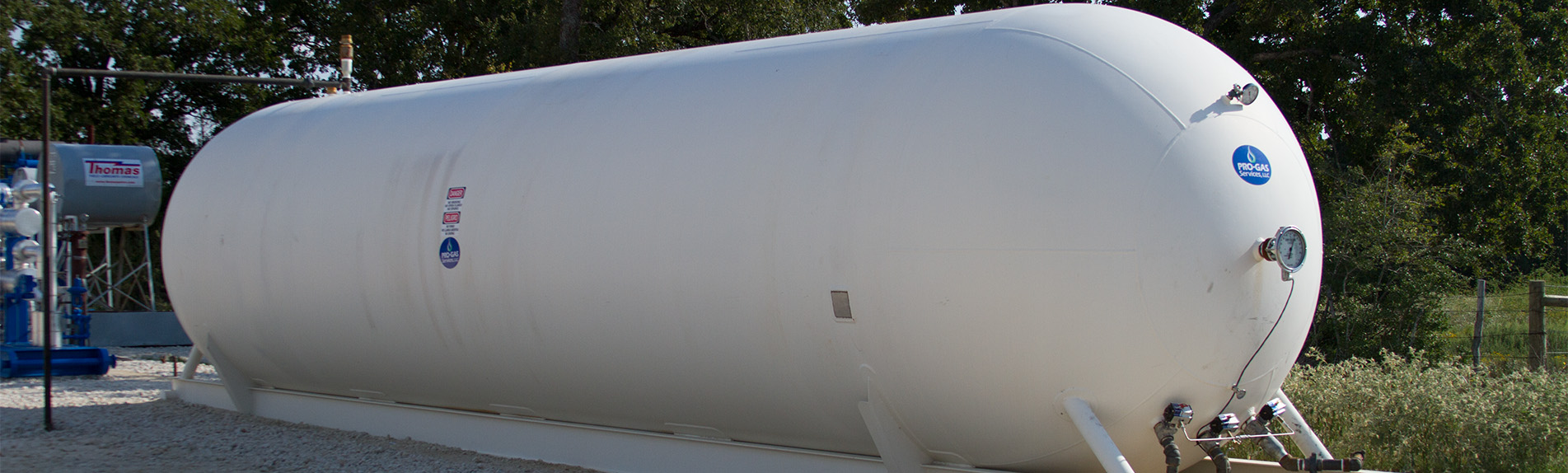
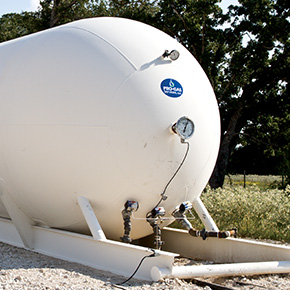
Portable NGL Storage
Natural Gas Liquids Storage NGL Storage

PRO-GAS Natural Gas Liquids (NGL) STORAGE SKIDS INCLUDE ALL NECESSARY…

READ MORE
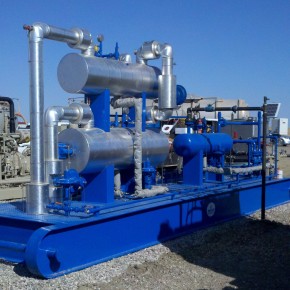
Natural Gas Coolers
Natural Gas Coolers

ALL ABOUT PRO-GAS COMPRESSED NATURAL GAS COOLERS We stock an…

READ MORE
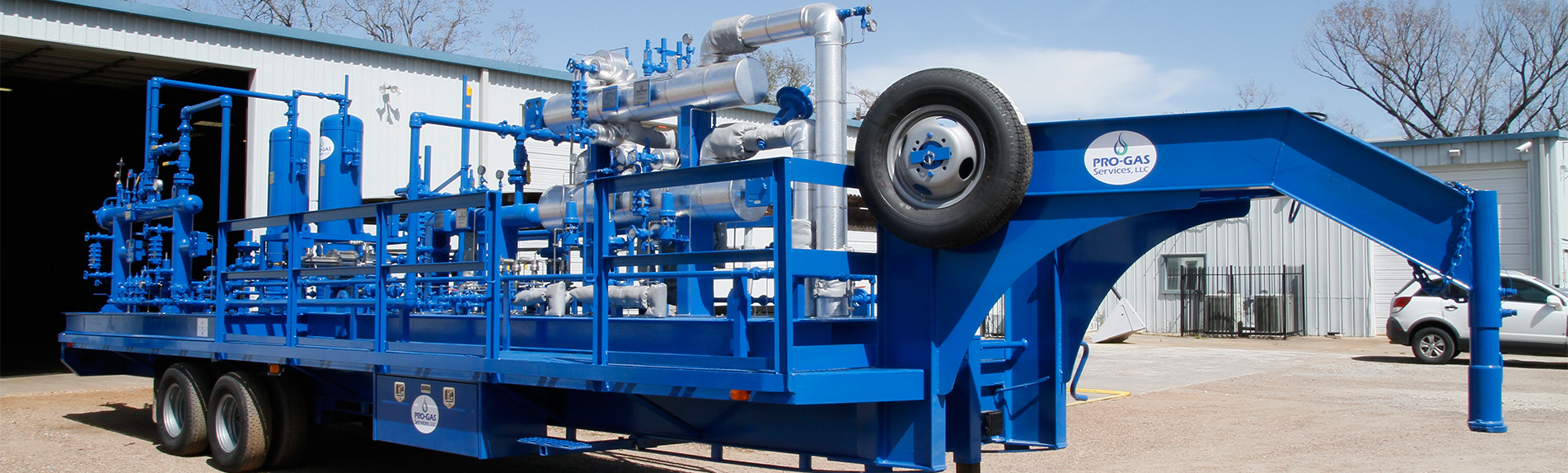
Compressed Natural Gas Packages
Multi Stage Compressor for natural gas

PRO-GAS SERVICES OFFERS UNIQUE COMPRESSED NATURAL GAS PACKAGES Our produces…

READ MORE
Natural Gas Production Facilities
Natural Gas Production Facility Equipment

Pro-Gas Services Offers a Variety of Production Facility Equipment When…

READ MORE

Recent Blog Entries >>see all

  • Fuel Gas Conditioning Skid

    06/ 18/ 26 • Tips for Seamless Equipment Installations | Keeping Industrial Gas Infrastructure Running

    Your business depends on your industrial gas infrastructure running as much as possible. But keeping pressure equipment running at all times isn’t always feasible, especially when regulations prevent it. When you’re installing new compressors or regulators in an industrial facility, the care you take at installation dictates how well they’ll run for the life of the system. Cutting corners can lead to sudden pressure losses, accelerated wear on critical components, and expensive shutdowns. Take steps to ensure your system is installed correctly the first time to avoid pressure problems and keep systems running smoothly. To ensure efficiency and reliability throughout…

    READ MORE
  • Two Oilfield Workers Inspecting Oil Refinery

    05/ 26/ 26 • What Happens When Fuel Gas Quality Drops? Diagnosing Problems in the Field

    Industrial facilities like gas turbines, reciprocating engines, and process heaters need predictable fuel gas supplies to run at maximum thermal efficiency. When incoming fuel gas composition varies unexpectedly, the impact is felt across the entire facility. Most operators will notice performance symptoms before they understand the cause: engines drop load unexpectedly, exhaust gas temperatures spike, or flame stability fluctuates in the combustor. Learn how to recognize these events and react quickly before your equipment suffers prolonged damage. Fuel composition shifts are seldom obvious. Pipeline quality may appear stable month to month, but fuel assemblies can experience gradual variations of heavy…

    READ MORE
  • How Has the Ukraine Incident Reshaped the Global Oil Landscape?

    05/ 15/ 26 • Common Bottlenecks in Remote Gas Production Sites (And How to Fix Them)

    Running an extraction site hundreds of miles from centralized support equipment comes with a series of mechanical and logistical challenges. Parts wear down sooner, well-streams surge more frequently, and fixes to technical glitches take days instead of hours. Field teams scramble to identify asset trouble early without interrupting critical production schedules. Teams should diagnose subtle clues that capacity may be throttled or an asset may be wearing down sooner than total failure occurs. Whether that be abnormal differential pressures across filters or unexpected valve positions on control loops, stumbling upon irregularities is common across remote gas production sites. A bottleneck…

    READ MORE
  • Fuel Conditioniing Trailer

    04/ 24/ 26 • How to Choose the Right Gas Processing Equipment for Your Needs

    Picking out new hardware for processing your incoming gas stream is often more than just a project manager’s shopping exercise. Many maintenance managers and project engineers struggle to balance equipment that can cover today’s flow demands with products that offer the technical flexibility if regulatory standards shift tomorrow, or next year.  Where Capacity Needs were the focus early in the decade, we’ve since moved towards Asset Performance Management and Regulation-Flexible assets. When choosing processing units, one of the first things to consider is the chemical and physical properties your feed gas will exhibit.  Will you be monitoring wellheads, or designing…

    READ MORE
CONTACT US

    All the fields marked as * are mandatory